Fire Damage Restoration: A Complete Guide to Recovery and Safety
Introduction
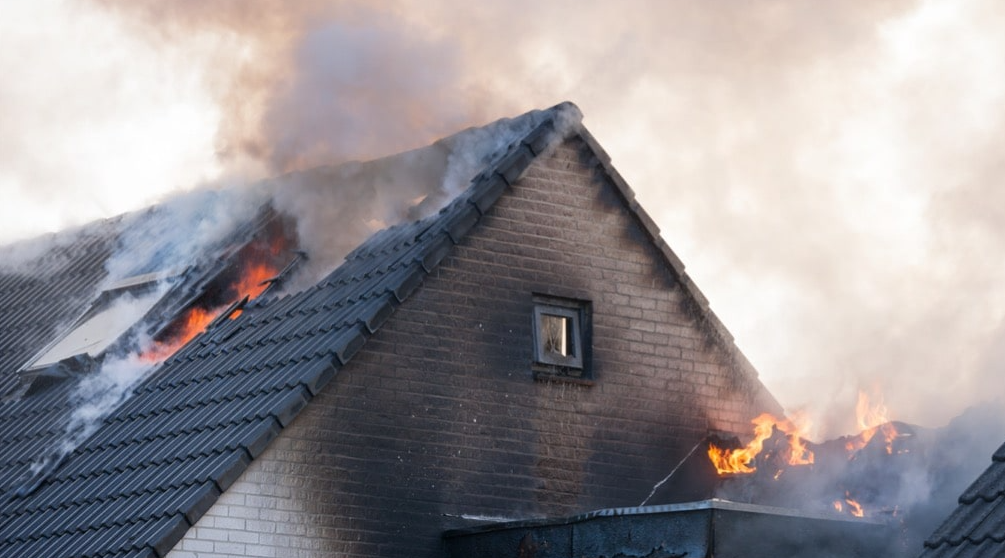
A house fire is devastating, but the aftermath can be just as dangerous. Even after the flames are out, soot, smoke, and water damage linger, creating health hazards and structural risks. Proper fire damage restoration is essential to make your home safe again.
This guide covers:
Health dangers of fire residue
How professionals restore fire-damaged homes
Tips for salvaging belongings
Fire prevention strategies
If you’re dealing with fire damage, Rapid Response Restoration offers 24/7 emergency fire cleanup and restoration services.
The Hidden Dangers of Fire Damage
Soot Inhalation Risks
Soot contains toxic chemicals from burned materials (plastics, fabrics, chemicals).
Breathing it in can cause respiratory problems, headaches, and long-term lung damage.
Is Fire Residue Toxic?
Yes! Ash and soot may contain arsenic, lead, and other harmful substances.
Never touch residue without gloves and a mask.
Air Quality Concerns
Smoke particles linger in the air long after the fire.
Professional air quality testing ensures your home is safe to re-enter.
PPE for Fire Cleanup
If you must enter a fire-damaged home:
Wear an N95 mask
Use heavy-duty gloves
Protect your eyes with goggles
For major fires, always call professionals—DIY cleanup can be hazardous!
How to Prevent House Fires
Install Smoke Detectors
Test them monthly.
Replace batteries yearly.
Use Fire-Resistant Materials
Choose fire-rated drywall for kitchens and garages.
Avoid flammable roofing materials.
Create a Fire Escape Plan
Practice with your family twice a year.
Have a designated meeting spot outside.
When to Call a Fire Restoration Company
After any major fire (even small ones can leave hidden damage).
If you smell smoke days later (indicates deep contamination).
Before rebuilding (experts ensure safety).
How Fire Damage Restoration Works
Professional restoration companies like Rapid Response Restoration follow a careful process:
Emergency Board-Up & Roof Tarping
Prevents further damage from weather or intruders.
Soot & Smoke Removal
Special sponges and vacuums clean walls and ceilings.
Thermal fogging or hydroxyl generators neutralize odors.
Water Extraction & Drying
Fire hoses leave behind water that can cause mold.
Industrial pumps and dehumidifiers dry out the home.
Cleaning & Salvaging Belongings
Electronics, furniture, and documents may be restored.
Special techniques remove smoke smells from fabrics.
Repairs & Reconstruction
Replacing drywall, flooring, and insulation.
Repainting and restoring the home to its original condition.
Rapid Response Restoration provides certified fire damage technicians available 24/7.
Conclusion
Fire damage restoration is more than just cleaning, it’s about safety, health, and rebuilding wisely. If you’ve experienced a fire, don’t risk DIY cleanup. Call Rapid Response Restoration for professional help. Need emergency fire restoration? Contact us today!

Leave A Comment