Soot Removal: Comprehensive Cleaning Solutions by Rapid Response Restoration
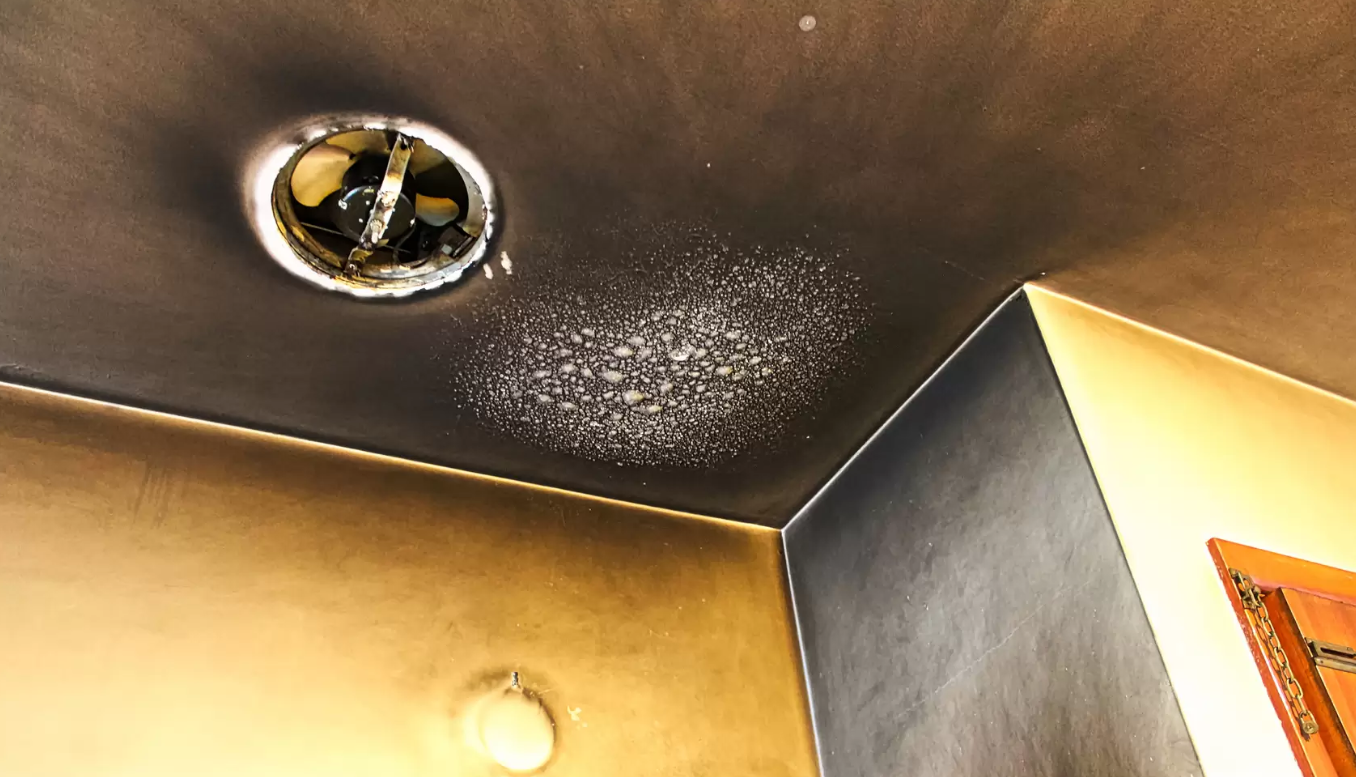
Soot damage creates challenging cleaning situations that require specialized knowledge and equipment. This fine black powder produced during incomplete combustion penetrates surfaces and creates lasting problems if not properly addressed. Rapid Response Restoration provides professional soot removal services that eliminate visible residue and address hidden contamination. Our fire damage experts understand the complex nature of soot and employ scientifically-proven methods to restore your property completely.
Understanding Soot Composition and Behavior
Soot consists of fine carbon particles mixed with various chemicals and toxins depending on what materials burned during the fire. Different fuels produce different types of soot, each requiring specific cleaning approaches. Protein fires from kitchen accidents create greasy, difficult-to-remove soot that spreads easily. Synthetic materials like plastics and fabrics produce acidic soot that can etch surfaces if not promptly removed. Natural material fires create powdery soot that seems easier to clean but can penetrate deeply into porous materials. Rapid Response Restoration technicians first identify the soot type through careful inspection before determining the appropriate cleaning methodology.
Health Risks Associated with Soot Exposure
Soot particles pose significant health risks due to their microscopic size and chemical composition. These particles can penetrate deep into lungs and even enter the bloodstream, causing respiratory problems and aggravating existing conditions like asthma. The chemical components in soot may include carcinogens and other toxic substances that present long-term health hazards. Children, elderly individuals, and those with compromised immune systems face particular risk from soot exposure. Rapid Response Restoration emphasizes safety first by implementing proper containment procedures and using professional protective equipment during soot removal processes.
Professional Soot Assessment and Inspection
Thorough assessment precedes any effective soot removal process. Our certified technicians examine all affected areas using advanced tools including moisture meters, thermal imaging cameras, and borescopes to identify hidden soot deposits. We test surfaces to determine the soot type and its bonding characteristics to develop the most effective cleaning strategy. This comprehensive evaluation allows Rapid Response Restoration to create a detailed scope of work that addresses both visible and concealed soot contamination throughout your property.
Advanced Soot Removal Techniques and Equipment
Professional soot removal requires specialized equipment and techniques that go beyond surface cleaning. Dry sponge cleaning effectively removes loose soot from walls and ceilings without spreading particles. Chemical sponges specifically designed for soot removal lift particles without driving them deeper into surfaces. Ultrasonic cleaning restores delicate items by using high-frequency sound waves to dislodge soot particles. For extensive contamination, thermal fogging neutralizes odors while specialized HEPA filtration systems capture airborne particles during cleaning. Rapid Response Restoration maintains state-of-the-art equipment specifically designed for soot remediation.
Surface-Specific Soot Cleaning Methods
Different surfaces require tailored cleaning approaches to avoid damage while effectively removing soot residue. Non-porous surfaces like glass and metal typically respond well to appropriate chemical cleaners. Semi-porous surfaces such as wood and laminate require careful cleaning to prevent permanent staining. Porous materials like drywall and upholstery often need specialized dry cleaning methods before wet cleaning can be attempted. Delicate surfaces including electronics and artwork demand particularly gentle techniques to avoid irreversible damage. Rapid Response Restoration technicians receive extensive training in surface-specific cleaning protocols to ensure optimal results.
Addressing Soot Odors and Air Quality Issues
Soot particles carry persistent odors that linger long after visible residue has been removed. These odors penetrate building materials and continue to affect indoor air quality if not properly addressed. Ozone treatments effectively neutralize odor molecules without masking them with perfumes. Thermal fogging reaches into pores and crevices to eliminate odor sources at their origin. Hydroxyl generators provide safe, continuous odor removal while technicians work. Rapid Response Restoration combines these advanced deodorization techniques with HEPA air scrubbing to restore healthy indoor air quality.
Content Cleaning and Restoration After Soot Damage
Personal belongings affected by soot require careful handling and specialized cleaning methods. Textiles including clothing and drapes need dry cleaning techniques before wet cleaning to set stains and prevent permanent damage. Electronics require careful disassembly and specialized cleaning to remove soot without causing short circuits. Documents and books often can be restored using freeze-drying and ultrasonic cleaning techniques. Kitchen items require thorough sanitation in addition to soot removal. Rapid Response Restoration operates a complete content cleaning facility equipped to handle even the most delicate items affected by soot contamination.
Preventive Measures and Final Verification
After completing soot removal, preventive measures help ensure lasting results. Applying sealants to vulnerable surfaces prevents residual odors from emerging and protects against future contamination. Installing high-quality air filters maintains improved indoor air quality. Final verification through particle counting and surface testing ensures all soot has been properly removed. Rapid Response Restoration provides detailed documentation of the cleaning process and results for your records and insurance purposes. Our commitment to complete satisfaction means we stand behind our work with quality guarantees.
Why Choose Rapid Response Restoration for Soot Removal

Leave A Comment