Storm Damage: Comprehensive Recovery Solutions by Rapid Response Restoration
Severe weather events can leave devastating storm damage in their wake, compromising the safety and integrity of your property. From hurricane-force winds to torrential downpours, storm-related destruction requires immediate attention to prevent further deterioration and costly repairs. Rapid Response Restoration specializes in professional storm damage restoration, offering 24/7 emergency response to secure your home or business and begin the recovery process. This guide covers everything you need to know about identifying, addressing, and preventing storm damage to protect your property.
Understanding the Impact of Storm Damage
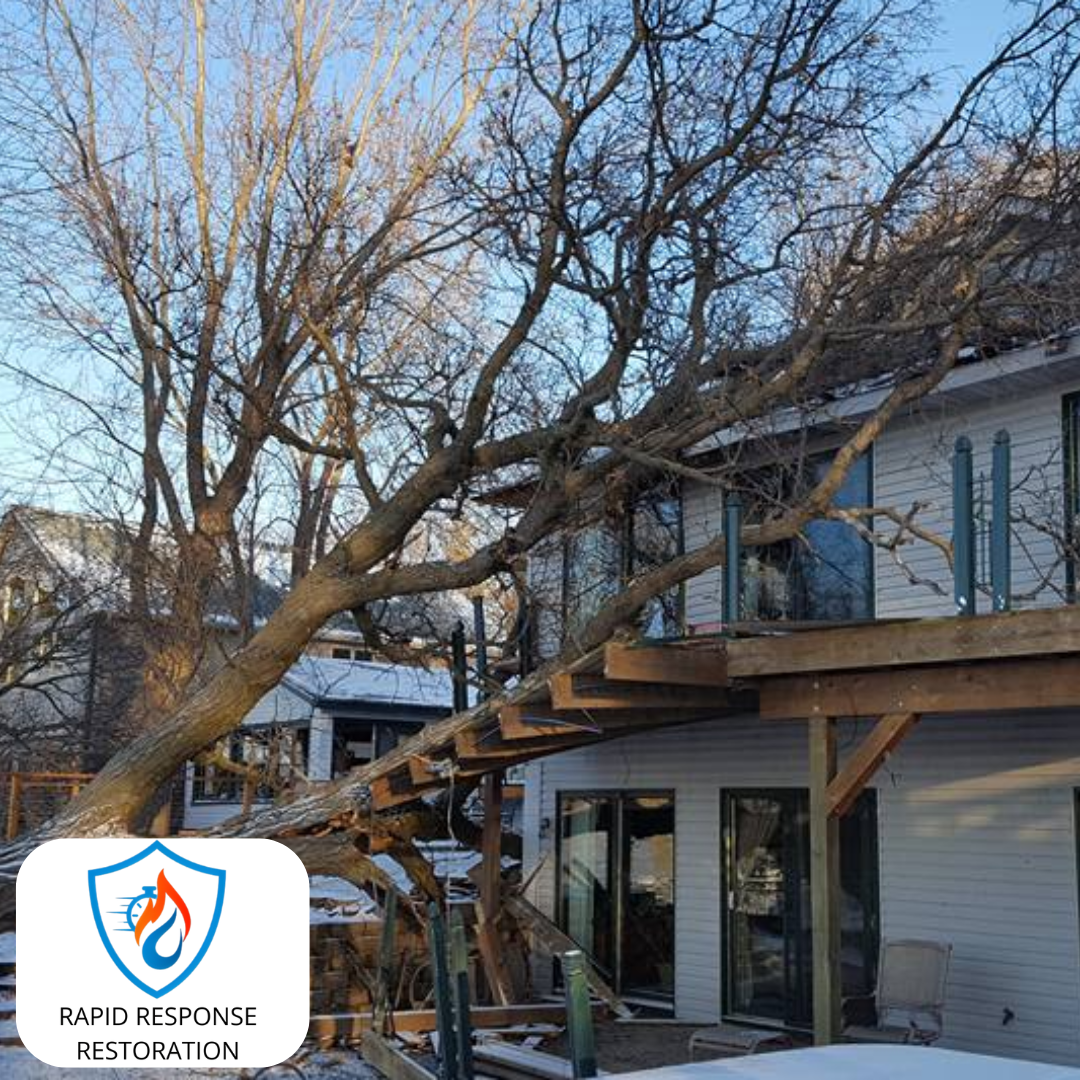
Storm damage manifests in various forms, each presenting unique challenges for property owners. High winds can tear off roofing materials, break windows, and topple trees onto structures. Heavy rainfall often leads to flooding, saturating drywall, flooring, and electrical systems. Hailstorms leave dents in siding, damage shingles, and shatter skylights. Even after the storm passes, lingering moisture creates ideal conditions for mold growth and wood rot. Rapid Response Restoration’s storm damage experts assess all types of weather-related destruction, providing tailored solutions to restore your property efficiently.
Common Types of Storm Damage and Their Risks
Roof damage ranks among the most frequent and severe consequences of severe weather. Missing shingles, punctures from debris, and compromised flashing allow water infiltration that weakens the entire structure. Flooding introduces contaminants into basements and crawl spaces, creating health hazards and damaging personal belongings. Fallen trees and branches can collapse walls, crush vehicles, and expose interiors to the elements. Secondary effects like power surges may fry electronics, while hidden water intrusion fosters toxic mold colonies. Rapid Response Restoration’s certified technicians identify both visible and concealed storm damage, ensuring no issue goes unaddressed during restoration.
Immediate Steps to Take After Storm Damage Occurs
Safety remains the top priority when inspecting storm damage. Avoid walking near downed power lines, standing water near electrical sources, or unstable structures. Document all damage with photos and videos for insurance claims before making temporary repairs like tarping roofs or boarding up broken windows. Contact your insurance provider promptly to begin the claims process, then call professional storm damage restoration specialists. Rapid Response Restoration arrives quickly to perform emergency mitigation services, preventing further destruction while preparing your property for full-scale repairs.
The Storm Damage Restoration Process Explained
Professional storm damage restoration follows a systematic approach to ensure thorough recovery. Rapid Response Restoration begins with a detailed inspection using moisture meters, thermal imaging, and structural assessments to identify all affected areas. Water extraction and drying commence immediately for flooded properties, while roof tarping and window boarding secure exposed structures. Debris removal clears hazards, allowing for proper evaluation of building materials needing repair or replacement. Reconstruction specialists then rebuild damaged sections, matching existing finishes for seamless results. Throughout the process, project managers maintain clear communication with homeowners and insurance adjusters.
Why Professional Storm Damage Restoration Matters
Attempting DIY storm repairs often leads to incomplete restoration and overlooked damage. Professionals like Rapid Response Restoration possess the training to recognize subtle signs of structural compromise and moisture intrusion. Their industrial-grade equipment removes water faster, dries materials more thoroughly, and detects hidden problems better than consumer tools. Licensed restoration companies also understand insurance requirements, providing proper documentation to support claims. Most importantly, they address safety hazards like unstable structures, electrical risks, and contaminants that untrained individuals might mishandle.
Preventing Future Storm Damage to Your Property
Proactive measures significantly reduce vulnerability to storm damage. Regular roof inspections and maintenance identify weak spots before severe weather strikes. Installing impact-resistant windows and reinforced garage doors improves wind resistance. Proper landscaping with trimmed trees and secure outdoor items minimizes flying debris risks. Flood prevention strategies like sump pumps, French drains, and graded landscaping divert water away from foundations. Rapid Response Restoration offers storm preparedness consultations to help fortify your property against future weather events.
Insurance Claims for Storm Damage Restoration
Navigating insurance claims for storm damage requires proper documentation and adherence to policy requirements. Rapid Response Restoration works directly with insurance providers, supplying detailed damage reports, moisture readings, and repair estimates. Their experts help distinguish between storm-related damage and pre-existing wear to ensure claim approval. They also handle necessary paperwork and communicate with adjusters throughout the restoration process, reducing stress for property owners. Avoid settling claims before completing repairs, as hidden damage often emerges during restoration.
Why Choose Rapid Response Restoration for Storm Damage Recovery
Rapid Response Restoration stands out as a leader in storm damage restoration through proven expertise and reliable service. Their certified technicians receive specialized training in wind, water, and structural damage repair. A fleet of fully-equipped response vehicles ensures rapid deployment to storm-affected areas. They maintain all necessary licenses and insurance coverage while adhering to industry best practices. From initial emergency boarding-up to final reconstruction touches, Rapid Response Restoration delivers complete storm recovery solutions with minimal disruption to your life or business.

Leave A Comment