What Is Water Damage Restoration? A Complete Guide to Saving Your Property
What Is Water Damage Restoration? A Complete Guide to Saving Your Property
Meta Title: Water Damage Restoration Explained – Process, Importance & Solutions | Rapid Response Restoration
Meta Description: Learn what water damage restoration is, how it works, and why professional services like Rapid Response Restoration are crucial for preventing mold and structural damage after flooding.
Introduction
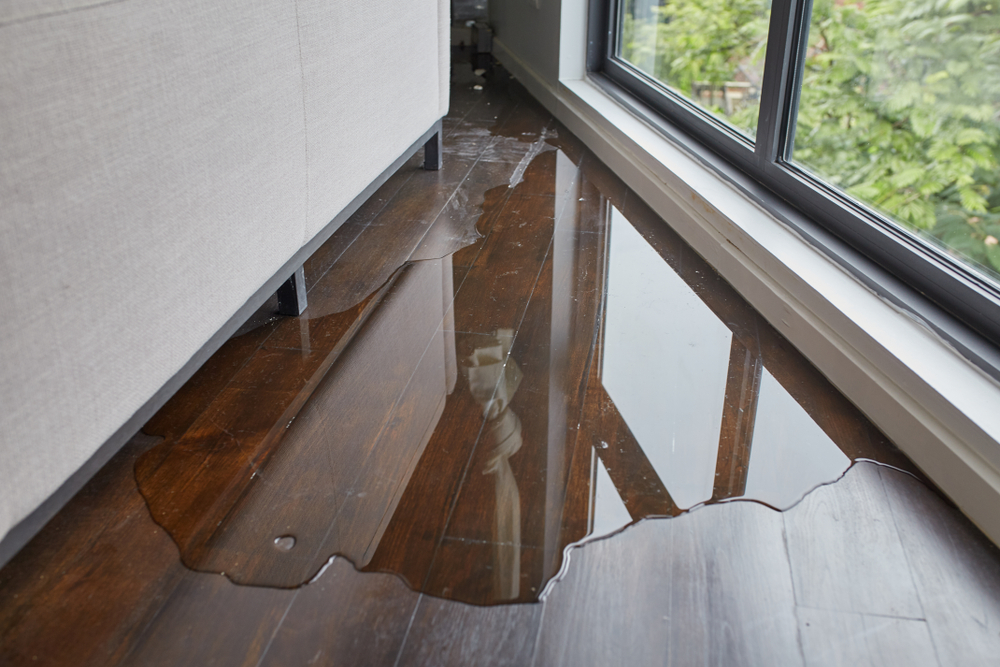
Water damage is one of the most common and destructive problems homeowners face. Whether from burst pipes, flooding, leaks, or sewage backups, excess water can weaken structures, ruin belongings, and create health hazards if not addressed quickly. That’s where water damage restoration comes in—a professional process that removes water, dries affected areas, and repairs damage to restore your property safely.
In this guide, we’ll cover:
What water damage restoration is and why it’s essential
The step-by-step restoration process
How water extraction works (and why it’s critical)
DIY vs. professional restoration
When to call emergency water damage experts
If you’re dealing with water damage, Rapid Response Restoration offers 24/7 emergency water extraction and restoration services to protect your home.
What Is Water Damage Restoration?
Water damage restoration is the process of removing water, drying structures, cleaning, and repairing a property after flooding or leaks. It involves:
Water extraction – Removing standing and absorbed water.
Drying & dehumidification – Eliminating moisture to prevent mold.
Cleaning & sanitizing – Disinfecting affected areas.
Restoration & repairs – Fixing damaged walls, floors, and belongings.
Why Is It Necessary?
Prevents mold growth (can start within 24–48 hours).
Saves structural integrity (water weakens wood, drywall, and foundations).
Reduces health risks (bacteria, sewage contaminants).
Protects belongings (carpets, furniture, electronics).
The Water Damage Restoration Process: Step by Step
Professional restoration companies like Rapid Response Restoration follow a scientific approach to ensure thorough recovery.
Step 1: Emergency Contact & Inspection
24/7 emergency response for immediate water extraction.
Moisture detection using infrared cameras and meters.
Step 2: Water Extraction
Submersible pumps remove standing water.
Industrial vacuums extract water from carpets and padding.
Specialized tools for basements and hard-to-reach areas.
Step 3: Drying & Dehumidification
High-speed air movers circulate air for faster evaporation.
Commercial dehumidifiers pull moisture from the air.
Monitoring ensures complete drying (typically 3–5 days).
Step 4: Cleaning & Sanitizing
Antimicrobial treatments kill mold and bacteria.
Odor removal with ozone or hydroxyl generators.
Content restoration for salvageable items.
Step 5: Repairs & Reconstruction
Drywall & flooring replacement.
Structural repairs if beams or supports are damaged.
What Is Water Extraction & Why Is It Critical?
Water extraction is the first and most crucial step in restoration. It involves:
Removing standing water with pumps.
Extracting absorbed water from carpets, padding, and subfloors.
Why Immediate Extraction Matters
Prevents mold growth (spores thrive in damp environments).
Reduces structural damage (wood warps, drywall crumbles).
Minimizes restoration costs (faster drying = less repair work).
How Water Extraction Works in Basements
Basements are high-risk areas due to poor drainage. Professionals use:
Submersible pumps for deep water.
Wet vacuums for carpets and flooring.
Dehumidifiers to prevent lingering dampness.
DIY vs. Professional Water Damage Restoration
Factor
DIY
Professional
Speed
Slow (limited equipment)
Fast (industrial pumps, fans)
Effectiveness
Surface-level drying
Deep moisture removal
Mold Prevention
High risk
Guaranteed with antimicrobials
Safety
Risk of electrical shock
Certified technicians
Best for DIY: Small spills (e.g., a leaking sink).
Call Pros for: Sewage, large floods, or hidden moisture.
When to Call a Water Damage Restoration Service
Standing water that won’t drain.
Soggy carpets or warped floors.
Musty odors indicate mold growth.
Sewage or contaminated water.
Ceiling leaks or burst pipes.
Rapid Response Restoration provides 24/7 emergency services—call us immediately to prevent further damage.
Final Thoughts
Water damage restoration is not just cleanup—it’s a science. Proper extraction, drying, and repairs are essential to save your home from mold, rot, and structural failure. While minor leaks can sometimes be handled DIY, flooding and sewage backups require professional help.
Need emergency water damage restoration? Rapid Response Restoration is here 24/7 with fast, reliable service.
Call now to get started

Leave A Comment